




How High-Temperature Labels Keep Critical Cable Information Readable in Extreme Conditions
In the world of industrial wiring and cable management, heat is the silent enemy. While a standard paper label might work perfectly fine in a climate-controlled office, place it near an engine block, inside a heat treatment facility, or alongside a high-temperature processing line, and it will quickly turn into a brittle, blackened, unreadable mess. When that happens, you don't just lose a label—you lose critical traceability, safety information, and maintenance records.
This is where high-temperature labels become indispensable. Engineered from advanced materials like polyimide and ceramic fiber, these heat resistant labels are designed to endure extreme heat while remaining legible, adhesive, and scannable. Whether applied to PE tubes, PA tubes, or silicone tubes, they ensure that your cable identification survives when the mercury rises.
Understanding Cable Protection Tubes and Their Heat Limits
Before diving into the labels themselves, it helps to understand the environment. Different cable protection tubes are designed for different thermal conditions. Matching the right label to the right tube is essential for long-term performance.
-
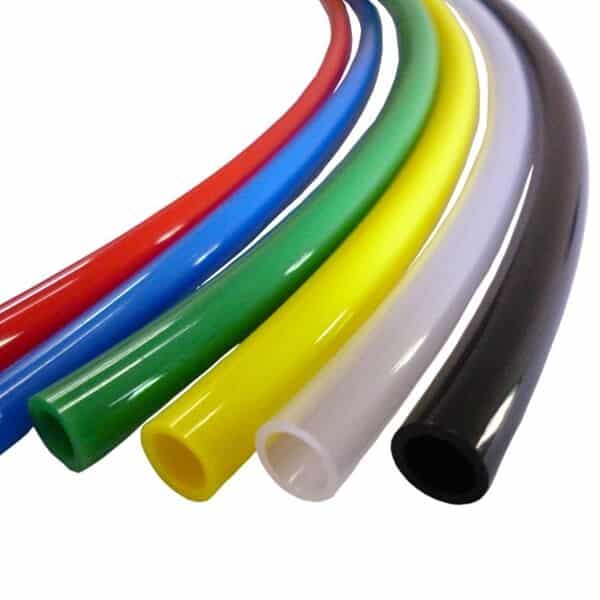
PE Tubes (Polyethylene): Commonly used for general-purpose (room temperature) wiring and underground cable protection. PE tubes are cost-effective and flexible but have a relatively low heat resistance. Standard applications include residential wiring, data cables, and outdoor lighting. However, even in these environments, nearby equipment or direct sunlight can create localized heat that damages ordinary labels.
-
PA Tubes (Polyamide/Nylon): A step up in thermal performance, PA tubes can withstand continuous operating temperatures up to 120°C (248°F). They are frequently found in automotive engine compartments, industrial machinery, and robotic cable carriers. The heat inside an engine bay is intense and sustained, making PA tubes a popular choice—but also demanding a label that can match that 120°C rating.
-
Silicone Tubes: For the most extreme environments, silicone tubes reign supreme. Capable of withstanding temperatures exceeding 200°C (392°F) and sometimes up to 260°C (500°F), they are used in heat treatment equipment, foundries, glass manufacturing, and commercial kitchens. If your application involves ovens, furnaces, or exhaust systems, you're likely working with silicone tubes.
-
Fiberglass Tubes: Often found adjacent to heat treatment equipment or high-temperature ovens, fiberglass sleeves provide excellent thermal insulation for cables. They protect wires from radiant heat but also require labels that can endure similar conditions without degrading.

The Problem with Ordinary Labels
Apply a standard paper or even a typical polyester label to a PA tube near an engine, and within hours, you'll likely see:
-
Carbonization: The label turns black and crumbles to the touch.
-
Adhesive failure: The glue melts, causing the label to slip or fall off entirely.
-
Fading: Thermal degradation of the ink makes barcodes and text unreadable.
-
Bubbling: Trapped gases cause the label surface to blister and distort.
In any of these scenarios, the label becomes useless. For maintenance teams, this means guessing which wire connects to which component—a dangerous game when dealing with high-voltage or high-temperature systems. For compliance, it means failed audits and potential safety violations.
The Solution: High-Temperature Labels Built for Extremes
High-temperature labels (also known as heat resistant Cable Tags or high temp wire markers) solve these problems through specialized materials and adhesives.
Polyimide Labels
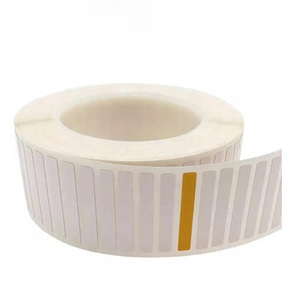
Polyimide film is the gold standard for high-temperature labeling. This amber-colored material, famously used in flexible printed circuits and aerospace applications, offers remarkable thermal stability. Polyimide labels can typically withstand continuous temperatures from -70°C up to 300°C (-94°F to 572°F) depending on the specific grade and adhesive system.
Key benefits of polyimide labels include:
-
Exceptional heat resistance: No carbonization or embrittlement, even after prolonged exposure.
-
Chemical resistance: Withstands oils, solvents, and cleaning agents commonly found in industrial settings.
-
Thin yet durable: The low profile allows application in tight spaces without adding bulk.
-
Printable: Compatible with thermal transfer printing, producing crisp, scannable barcodes and text.
Ceramic Fiber Labels
For applications exceeding the limits of polyimide, ceramic fiber labels offer another level of protection. Made from non-woven ceramic paper with a high-temperature silicone adhesive, these labels can withstand intermittent exposure up to 500°C (932°F) or more.
Ceramic fiber labels are often used directly on hot surfaces like furnace exteriors, exhaust manifolds, or molten metal handling equipment. While more fragile than polyimide, they provide unmatched thermal protection where nothing else will survive.
High-Temperature Adhesive Labels
The adhesive is just as important as the face material. High temperature adhesive labels use silicone-based or acrylic-based adhesives formulated to maintain bond strength at elevated temperatures. Unlike standard adhesives that soften and flow when hot, these specialized adhesives remain firm and attached.
Real-World Applications: Where High-Temp Labels Make the Difference
1. Automotive Engine Compartments (PA Tubes)
Inside a modern car engine bay, PA tubes protect wiring harnesses that connect sensors, injectors, and actuators. When a mechanic needs to trace a faulty oxygen sensor or replace a fuel injector, they rely on high temp Cable Labels attached to those PA tubes. A standard label would quickly degrade from under-hood temperatures that easily exceed 100°C (212°F). A polyimide label with high-temperature adhesive, however, remains intact and legible for the life of the vehicle. It marks circuit numbers, connector types, and routing instructions—all at a glance.
2. Heat Treatment Equipment (Fiberglass Tubes)
In a heat treatment facility, temperatures inside furnaces can reach 1000°C (1832°F), but even the areas immediately outside are extremely hot. Fiberglass tubes protecting temperature sensor wires run alongside these furnaces. Maintenance teams use heat resistant industrial labels on these fiberglass tubes to record installation dates, calibration due dates, and sensor IDs. Because the labels don't bubble, fade, or fall off, technicians can confidently perform preventive maintenance without digging through paperwork.
3. Commercial Kitchens and Ovens (Silicone Tubes)
Commercial ovens, steamers, and dishwashers generate intense heat and moisture. Silicone tubes protecting electrical connections behind these appliances require labels that can handle both. Oven labels made from polyimide or specially coated materials remain readable even after thousands of heating and cooling cycles. They mark which wire connects to which heating element, simplifying repairs and reducing downtime.
4. Cable Trays Near Hot Process Pipes
In chemical plants and refineries, process pipes carrying steam or hot liquids radiate significant heat to nearby cable trays. Heat resistant cable tags attached to the cables or conduits in these trays identify circuit numbers, voltage ratings, and destination equipment. Because these labels resist both radiant heat and occasional chemical splashes, they maintain legibility for years, supporting safe lockout/tagout procedures.
One Label, Multiple Protections
What makes modern high-temperature labels so valuable is their versatility. A single polyimide label can simultaneously offer:
-
Heat resistance (up to 300°C+)
-
Chemical resistance (oils, fuels, solvents)
-
Abrasion resistance (scraping against cable trays or conduit)
-
Flame retardancy (self-extinguishing properties)
-
Print durability (thermal transfer printing with resin ribbons)
This means one label type can serve across PE tubes, PA tubes, silicone tubes, and fiberglass sleeves, simplifying inventory management for maintenance departments.
Making Cable Management "Licensed" in High-Heat Zones
There's an old saying in industrial maintenance: "Unlabeled cables are like unlicensed drivers—sooner or later, they cause an accident." In high-temperature environments, the risk is even greater. When a cable fails, identifying its purpose, origin, and termination point should be instantaneous. Every minute spent tracing unlabeled wires in a hot, cramped space is a minute of lost production and increased safety risk.
High-temperature labels give you that instant identification. They don't bubble. They don't fade. They don't fall off. A quick scan of a barcode or a glance at printed text tells you everything you need to know: circuit number, maintenance date, next inspection due, and more.
Choosing the Right High-Temperature Label
When selecting heat resistant labels for your application, consider:
-
Maximum continuous temperature: Match the label's rating to your tube's rating (120°C for PA, 200°C+ for silicone).
-
Peak vs. average temperature: Some processes have brief temperature spikes. Ensure your label can handle excursions.
-
Chemical exposure: Will the label contact oils, fuels, acids, or cleaning agents?
-
Surface texture: Smooth PA tubes accept labels differently than braided fiberglass sleeves.
-
Printing method: Thermal transfer with resin ribbon is recommended for maximum durability.
-
Regulatory requirements: Some industries (aerospace, nuclear) have specific labeling standards.
Conclusion
From the 120°C environment of an automotive PA tube to the 200°C+ demands of a silicone tube in heat treatment equipment, high-temperature labels deliver reliable, legible identification where ordinary labels fail. Made from polyimide, ceramic fiber, or other advanced materials, and bonded with specialized high-temperature adhesives, these labels resist carbonization, bubbling, fading, and detachment.
They mark circuit numbers on PA tubes in engine compartments. They record maintenance dates on fiberglass tubes beside furnaces. They survive the heat, the humidity, and the chemicals—so you don't have to guess which cable does what.
Don't let your high-temperature cable management operate without a license. Choose heat resistant cable tags and keep your critical information readable, scannable, and safe—even when the heat is on.